
We fight for our KING´s & QUEEN´s

https://www.inderes.fi/companies/Pallas-Air
Paina kuvaa niin pääset lukemaan
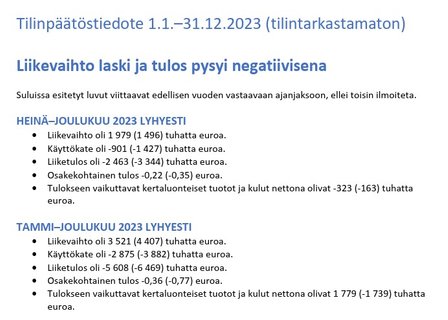


Yhtiön tilinpäätöksen perusteella ei välttämättä suoraan selviä, miksi liikevaihto on laskenut niin paljon, mutta se voi olla seurausta useista tekijöistä.
Yksi mahdollinen syy liikevaihdon laskuun voi jos yhtiö on aiemmin sisällyttänyt huoltotuotot liikevaihtoon, mutta nyt tätä käytäntöä ei enää hyväksytä, se voi johtaa liikevaihdon laskuun. Tämä voi olla erityisen merkittävää, jos huoltotuotot ovat olleet merkittävä osa yhtiön liikevaihtoa.
Kun yhtiön hallitukselta tiedustelette asiaa osakkeenomistajana, pyrkikää saamaan tarkempaa tietoa siitä, miten yhtiö on kirjannut "asiakkaalta etukäteen saadut huoltotuotot". Tämä voi antaa teille paremman käsityksen siitä, miten kyseinen käytäntö on vaikuttanut yhtiön taloudelliseen tilanteeseen ja millaisia riskejä se on mahdollisestI TUOTTAMASSA YHTIÖLLE/ASIAKKAILLE.
On tärkeää, että yhtiö toimii eettisesti oikein ja että sen toiminta on läpinäkyvää ja rehellistä sekä sidosryhmien että osakkeenomistajien kannalta. Jos huomaatte epäeettisiä käytäntöjä tai riskejä yhtiön toiminnassa, on tärkeää tuoda nämä esiin ja vaatia muutosta.
HUOLTO ON PALVELU = PALVELUMUOTTO EI VOIDA RAHOITTAA TÄLLÄ TAVALLA, MUTTA JOS LAITEEN HINTAAN LISÄTÄÄN HUOLTO OSUUS ILMOITAMATTA SIITÄ RAHOITUSYHTIÖLLLE, NIIN SILLOIN SE ONNISTUU! MUTTA PITÄKÖ NÄIN TOIMIA????

Veroparatiisivuotoa tutkinut toimittaja kertoo: Näin kaikki tapahtui
Ylen MOT-ohjelman toimittaja Minna Knus-Galán on tutkinut Panama-asiakirjoja täysipäiväisesti puolen vuoden ajan. Erityisesti sähköpostien suuri määrä aineistossa ja tietovuodon pitkäkestoisuus tekevät vuodosta hänen mukaansa mielenkiintoisen.
Renton kiinteistöbisneksellä kytkös veroparatiisiin
Valaisen tässä kirjoituksessa Hyvinkäällä ajankohtaista Rentto Oy:n kiinteistöbisnestä ja sen taustoja.
Lainkiertäjät veroparaatisissa
Liiketoiminnassa luottamuksen tulisi olla kaiken kanssakäymisen peruskivi. Valitettavasti kohtaamme ajoittain yksilöitä, jotka laiminlyövät eettiset normit. Nämä yksilöt viihtyvät varjoissa, vältellen vastuuta ja antaen muiden kantaa seuraukset. He ovat kuin käärme, ruiskuttaen myrkyllisiä ajatuksia liikesuhteiden kudokseen.
Vakaumuksemme ajaa meitä vastustamaan tällaista käytöstä. Meidän arvoihimme ei kuulu hyväksyä tällaista toimintaa. Tulemme käyttämään kaikki mahdolliset keinot saadaksemme nämä yksilöt toiminnastaan vastuuseen. Se ei ole pelkästään oikea toimintatapa; se on velvollisuutemme asiakkaitamme kohtaan. Liike-elämässä luottamus on ensisijainen hyve, ja se täytyy ansaita. Emme suostu seisomaan toimettomina, kun toiset vaarantavat tämän luottamuksen henkilökohtaisen edun vuoksi.
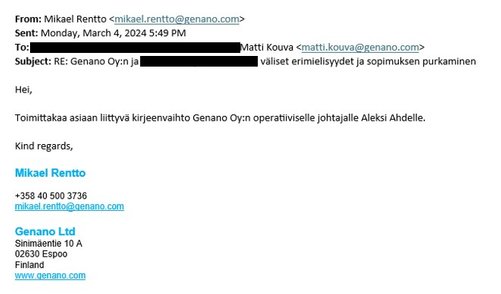
Ponnisteluistamme huolimatta, Genano Oy,n toimitusjohtaja Mikael Rentto on osoittanut välinpitämättömyyttä tilanteen korjaamiseksi, saatikka vastuun ottamista teoistaan. Hänen kieltäytymisensä keskustella asiasta vain vahvistaa sitoutumistamme avoimuuteen, oikeudenmukaisuuteen ja niiden hyvinvointiin, jotka luottavat liike-elämän yhteisöön.
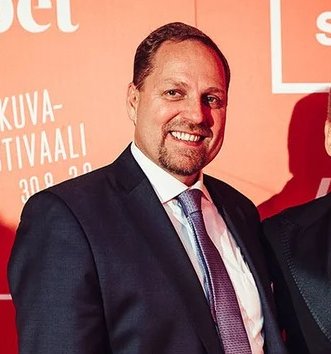
Todettakoon että Mikael Rentto ei ole kertakaan ollut meihin yhteydessä.
Mikäli kaipaatte lisätietoa Genano Oyl:ltä, kehoitan olemaan yhteydessä Mikael Renttoon. Jos hän vaikka Teille vastaisi?
Sähköposti: mikael.rentto@genano.com Puhelin: 040 500 3736
Kenkäteolllisuuden kasvatti
Hyvinkäällä syntyneellä Timo Mikael Rentolla on Panaman papereiden mukaan kaksi vuonna 2011 perustettua veroparatiisiyritystä Brittiläisillä Neitsytsaarilla. Yhtiöiden nimet ovat Cyrus Limited ja Beijing Fin RT Science & Technology co Ltd.
Nykyään Britanniassa asuva mutta Suomessa yrittäjänä toimiva Rentto kertoi Mossack Fonsecalle, että Cyrus Limited -yrityksellä on toimintaa etenkin Englannin kanaalissa sijaitsevalla Guernseyn saarella. Yhtiön tarkoituksena on "varojen ylläpitäminen".
Mossack Fonsecan kysymykseen varojen alkuperästä Rentto vastaa, että kyseessä on henkilökohtaiset säästöt, jotka ovat peräisin suomalaisesta Reka Oy:n kenkätehtaasta.
Rentto on tunnettu suomalainen kenkätehtailijaperhe. Suvun historia alalla ulottuu aina 1800-luvulle asti. Kun Hyvinkään kenkätehdas lopetettiin vuonna 1990, konserni keskittyi kaapelien valmistukseen. Rentto-konsernin nimi muuttui Reka Oy:ksi 1989.
Mikael Rentto on mukana lukuisissa suomalaisyrityksissä. Joulukuussa 2011 yksi hänen johtamastaan suomalaisyrityksestä, jäähdytys- ja tuuletuslaitteiden valmistaja Gese International Oy, asetettiin konkurssiin. Muutama kuukausi ennen konkurssia Mikael Rentto oli perustanut molemmat veroparatiisiyrityksensä Mossack Fonsecan kautta.
Gese Internationalin konkurssipesän asiakirjoista selviää, että suurimmat velkojat ovat valtion omistama erityisrahoitusyhtiö Finnvera sekä Danske Bank. Yhtiö sai vuosina 1999–2013 valtiontukea Tekesiltä ja työ- ja elinkeinoministeriöltä yhteensä
340 000 euroa.
Sen lisäksi Tekes on myöntänyt Gese Internationalille lainaa 210 000 euroa. Tämä käy ilmi MOT:nyritystukitietokannasta.
Mikael Rentto ei ole vastannut MOT:n lukuisiin yhteydenottopyyntöihin.
Arvoisa puheenjohtaja Mikael Rentto ja toimitusjohtaja Vesa Mäkipää Pallas Air Oyj:sta, teidän ei tarvitse olla huolissanne. Tulen varmistamaan, että maksatte yrityksellemme tekemistämme kaupoista meille kertyneet, ja meille kuuluvat, maksamattomat myyntiprovisiot.
OIKEUS TULEE VOITTAMAAN - JUSTICE WILL PREVAIL
Kun vastapuoli pelaa likaista peliä, on pahin vihollisesi aika. Pienellä yrityksellä ei yksinkertaisesti ole taloudellisia edellytyksiä pitkiin oikeudellisiin taistoihin. Etenkin tapauksissa joissa toinen osapuoli on ollut suurin ja tärkein kumppanisi. Kun yrityksellesi jätetään myynnistä saatavat komissiot tilittämättä, kassavirtasi voi aiheuttaa sinulle ongelmia.
Valitettavasti viranomaisista ei ole sinulle tässä tilanteessa apua, koska he haluavat edelleen kaiken toimivan niin kuin sen pitäisi, esim. verotus rullaa kuten ennenkin. Asian voisi jopa tulkita niin, että viranomainen on tavallaan avuksi päämiehemme kaltaisille yrityksille, sellaisille jotka eivät halua noudattaa reilun pelin sääntöjä.
Olen kuitenkin vakuuttunut siitä, että valinta olla jatkamatta kaupantekoa kyseisellä tavalla on AINUT oikea tapa toimia, hyvä asiakassuhde perustuu luottamukseen. Seisomme sanojemme, ja arvojemme, takana."
